
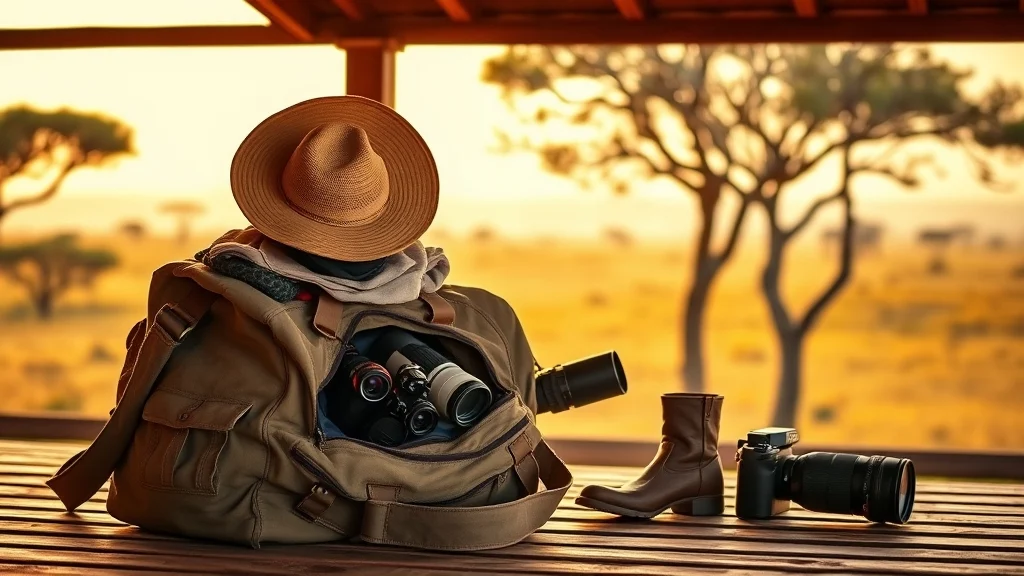
Your complete gear guide for a successful South African safari hunt starts here. This South Africa hunting gear checklist covers every item you need — from firearms and ammunition to clothing and travel documents — so you arrive at camp fully prepared and ready for the bush.
Glen Fyffe and Stephan Kleinhans have been guiding international hunters across South Africa for 45 years combined. This checklist reflects what they have watched hunters get right — and wrong — on day one of hundreds of safaris. Arrive prepared and your professional hunter can focus on finding game. Arrive underprepared and you lose valuable days sorting out what should have been done at home. Please note — no item on this list is there by accident. Every one of them has saved a hunt or, when forgotten, cost one
5 Highlights on This South Africa Hunting Gear Checklist
Rifle and Ammunition Readiness — This hunting gear checklist covers firearm specifications, ammo quantities, and import permit requirements for South African customs clearance. We specify grain weights suitable for plains game and buffalo, so you carry the right loads for every species on your list. Ensure your rifle is zeroed before you leave home — sighting in a damaged or travel-affected scope on arrival wastes the first morning.
Climate-Appropriate Clothing Guide — Pack olive green and dark khaki hunting shirts, pants, and a warm hunting jacket. South African weather ranges from cold winter mornings to hot midday temperatures, so layered comfortable clothing is essential. A warm sweater or jumper for early mornings will be one of the most-used items in your bag. Our South Africa hunting checklist breaks down exactly what to wear by season and province.
Optical and Electronic Gear — Binoculars, camera batteries, SD cards, a charger, and a quality lens cleaning cloth appear on every professional hunter’s recommended packing list. Bring spare prescription glasses or contact lenses — extra prescription eyewear is a non-negotiable item out in the field. A flash drive for backing up photos at camp is worth bringing.
Personal Care and Medical Items — Sunblock, insect repellent with DEET, lip balm, wet wipes, eye drops, and prescription medication all require space in your luggage. A first aid kit handles minor bush injuries, including tick removal. Our South Africa hunting packing list ensures nothing gets overlooked.
Travel Documentation — Valid passport, airline tickets, firearms import permit, and credit card details need confirmation before departure. Your outfitter coordinates taxidermist and shipping paperwork. Without these documents, your hunt stalls before it begins.
Why This South Africa Hunting Gear Checklist Works
This checklist reflects decades of South African safari experience. Glen Fyffe and Stephan Kleinhans compiled these recommendations after guiding hundreds of international hunters — primarily from the UK, USA, and Europe — through successful plains game and dangerous game hunts across South Africa, Namibia, and Zimbabwe.
We know what works in the African bush. Comfortable camp shoes matter after long days on foot. A good pair of shooting sticks steady your rifle for accurate shots at distance. The right hunting jacket and a warm sweater keep you comfortable during cold winter mornings yet breathe when temperatures climb through the middle of the day. Every item on this checklist earns its place in your backpack or bag.
This gear checklist eliminates guesswork. First-time safari hunters often overpack clothes and souvenirs on the flight out, then forget critical items like a power adapter, charger, extra batteries, or a compact headlamp. Our breakdown prevents these common mistakes and keeps your luggage within airline weight limits. Consider it a working guideline rather than a rigid rule — your PH may suggest additions based on your specific concession and target species.
We keep recommendations current with South African import regulations and airline weight restrictions. Firearm permit requirements change, and this checklist stays up to date with customs procedures so you don’t face avoidable delays at OR Tambo International Airport.
Your professional hunter expects you prepared. Arriving without proper clothing, broken-in boots, or sufficient ammo wastes hunting days that cannot be recovered. This checklist ensures you step off the flight ready for the bush — not scrambling to sort out the basics.
The Complete South Africa Hunting Gear Checklist
Firearms and Ammunition
- Bolt-action rifle in an appropriate calibre — .270 Winchester through .375 H&H for plains game; .375 H&H minimum for dangerous game including Cape buffalo
- A full set of 40 to 60 rounds of ammo for plains game hunts; confirm quantities with your PH for dangerous game
- Premium bonded or monolithic bullets — Hornady, Federal, or Nosler recommended
- Hard-sided, lockable rifle case meeting airline requirements — please note that airlines have specific regulations on firearm cases; check yours before booking your flight
- Trigger lock
- Cleaning kit — bore snake, patches, solvent, and oil
- A set of shooting sticks — essential for open plains shots at distance
- Ensure your rifle is zeroed before leaving home; sighting in at the range on arrival may not always be possible
Firearms Documentation
- Valid SAPS firearms import permit (apply a minimum of 60 days before departure — your outfitter guides you through this)
- Copy of permit in carry-on and checked luggage
- Airline firearms declaration forms — check your specific carrier’s requirements well in advance of your flight
- Letter of invitation from your outfitter confirming hunt details
- Flash drive with digital copies of all documents as backup
Clothing
- Olive green or dark khaki hunting shirts — long-sleeve, at least 3 to 4 pairs
- A pair of lightweight long-sleeve base layer tops
- Convertible or zip-off pants — 2 to 3 pairs
- A pair of shorts for comfortable clothing around camp in the evenings
- Warm fleece, warm sweater, or jumper for cold winter mornings — essential May through August and a must-have for early air in the Limpopo and Eastern Cape
- Waterproof, lightweight raincoat — South African weather can change mid-morning without warning
- Comfortable clothing for evenings at the lodge — separate from your hunting clothes
- A cap or hat with a full brim for midday sun protection
- A warm hat or beanie for cold pre-dawn departures from camp
- Buff or balaclava for cold air on early morning drives
- Wool or moisture-wicking socks — at least 6 pairs; a good pair of merino wool socks will save your feet on long days
- Broken-in leather or technical hunting boots — non-negotiable; new boots cause blisters that end hunts
- Camp shoes or sandals for evenings
- A pair of lightweight gloves for cold mornings
- Underwear — at least 5 to 7 days’ worth; moisture-wicking where possible
- Sunglasses — quality UV-protective lenses are essential in the African sun
Optics and Electronics
- Binoculars — 8×42 or 10×42 recommended; Leupold or Swarovski for quality glass
- Rangefinder
- Riflescope covers
- Lens cleaning kit — cloth, solution, and blower
- Camera with spare batteries, SD card, and a spare SD card
- Charger for all devices — please note South Africa uses Type M plugs at 220V; bring a travel adapter
- Portable power bank — charger backup for multi-day field days
- Headlamp with spare batteries — Petzl recommended
- Compact flashlight
- Flash drive for photo backup at camp
- Spare prescription glasses or contact lenses — extra prescription eyewear can save a hunt if your primary pair is damaged
Personal Care and Health
- High-SPF sunblock — UV exposure in South Africa is intense mid-morning through mid-afternoon
- DEET-based insect repellent (Sawyer recommended)
- Lip balm with SPF
- Eye drops — dry bush air and dust make these essential, not optional
- Wet wipes — a travel pack of wet wipes is one of the most-used items in the field
- Toiletries — shaving kit, toothbrush, toothpaste, deodorant, and a small cloth or towel for the field
- Hand sanitiser
- Personal prescription medication — a full supply plus 7 days extra; store a set in your carry-on in case checked luggage is delayed
- Malaria prophylaxis if hunting in Limpopo or low-veld areas — consult your doctor well before your flight date
- Anti-diarrheal tablets and rehydration salts
- Pain relief and antihistamine
- Blister prevention and blister treatment — if you have a pair of new boots, wear them in until they are well worn before you travel
First Aid Kit
- Wound closure strips and sterile dressings
- Antiseptic cream
- Elastic bandage
- Tweezers — for thorns and tick removal
- Medical grade tick remover — tick exposure is a real consideration in the South African bush; ensure you check yourself each evening
- Emergency contact card including outfitter and nearest hospital details
Travel Documents
- Valid passport — minimum 6 months validity beyond return date
- Return airline tickets and flight itinerary — keep a printed copy as well as a digital one
- Travel and medical insurance documentation — a full set including emergency evacuation cover is strongly recommended
- Firearms import permit (SAPS 520)
- Outfitter letter of invitation
- Proof of yellow fever vaccination if transiting through certain African countries
- Credit card with travel notifications activated — please note that some banks will block international transactions if not pre-notified
- Cash in US Dollars or South African Rand for tips, incidentals, and souvenirs; airlines and lodges may not always accept card
- A pen — you will fill in forms on the flight and at customs
Camp and Miscellaneous
- Duffel bag or soft-sided luggage in addition to rifle case
- A backpack for hunting days — choose a well-fitting, quiet daypack
- Pelican case or hard travel case for camera and electronics protection
- Victorinox or quality hunting knife — useful for countless camp tasks
- A small sewing kit for gear repairs
- Reading material or a book for camp downtime and flight time — a good book on African game species or hunting in South Africa makes useful reading material on the flight out
- A small notebook and pen for field notes, shot records, and taxidermist details
- Biltong and personal snacks for travel days
- Reusable water bottle — stay hydrated; water access in the field can be limited mid-stalk
- Ziplock bags in various sizes for dust and moisture protection
- A general shopping list for souvenirs — curios and gifts are available near most lodges and camps
Signs You Need This South Africa Hunting Gear Checklist
You’ve Never Hunted Africa Before — First-time safari hunters face unfamiliar challenges. South African weather differs dramatically from UK and US conditions. You need clear guidance on clothing, calibres for plains game, and what your outfitter provides versus what you bring yourself on the flight.
Your Last Trip Had Gear Problems — Forgotten items ruin hunts. Hunters who arrived without a lens cleaning cloth couldn’t use foggy binoculars at dawn. Others brought the wrong ammo or left prescription medication at home. A thorough checklist prevents repeat failures and protects your investment in the safari.
Airline Regulations Confuse You — Firearm transport rules vary by carrier. Ammo weight limits, case requirements, and luggage restrictions all demand attention. This checklist addresses current airline policies for hunters travelling with rifles to South Africa.
You’re Unsure About Import Permits — South African customs requires specific documentation for firearms entry. Missing paperwork delays your hunt by days. This checklist covers permit timelines, required forms, and step-by-step guidance for clearing your rifle through SAPS at OR Tambo.
Weather Conditions Puzzle You — A March hunt faces very different temperatures from a winter August safari. Knowing whether to pack a raincoat, warm sweater, or lightweight hunting shirts depends entirely on your flight dates and which province you are hunting in.
Our Process: How We Help You Prepare
Step One — Confirm Your Hunt Details We gather information about your safari dates, target species, and outfitter location. Plains game hunts in the Eastern Cape require different preparation than dangerous game pursuits in Limpopo. Your checklist starts with these specifics and we suggest additions based on your concession.
Step Two — Assess Your Current Gear Review your existing equipment against the master checklist above. Identify what you own, what needs replacing, and what requires purchase. Check that a pair of boots are well worn in before departure — this is the most commonly overlooked step and the leading cause of blisters that cut hunting days short.
Step Three — Customise Your Packing List A ten-day safari will have you needing more clothes and a larger backpack than a short trip. Buffalo hunters need different ammo and clothing considerations from those pursuing plains game only. We adjust the checklist to fit your specific hunt, budget, and airline allowances.
Step Four — Verify All Documentation Confirm passport validity, firearms import permit status, and airline booking details well in advance of your flight. Your professional hunter should have a copy — including a flash drive backup where possible — of relevant paperwork before your departure date.
Step Five — Final Gear Check Three days before travel, work through every item on the list. Test camera batteries, verify medication supply, confirm your charger and travel adapter are packed, and check your rifle zero is confirmed. A set of fresh SD cards, a charged power bank, and a good read for the flight are easy to miss at this stage. This final pass catches last-minute gaps that cost hunters in the field.
Brands We Recommend
Optics — Leupold and Swarovski for binoculars and rifle scopes. Both deliver clear glass in African light conditions at first and last light when shots present themselves.
Ammunition and Knives — Hornady, Federal, and Nosler for ammo. Select premium bonded or monolithic bullets for dangerous game. A Victorinox knife handles the vast majority of camp and field tasks you will encounter.
Footwear — Danner and Meindl for boots built to handle rocky terrain and long walking days in thorny bushveld. Break them in weeks before your trip without exception — blisters are avoidable and a pair of well-worn boots will save your hunt.
Clothing — First Lite and Sitka in olive green and khaki tones. Moisture-wicking hunting shirts and a warm sweater or jumper for winter mornings handle the temperature swings between cold pre-dawn air and hot midday conditions.
Camp and Electronics — Petzl headlamps, Pelican cases for camera and electronics protection, and Sawyer insect repellent with DEET. A flash drive, a good book, and a quality pair of sunglasses round out the essentials.
FAQs About This South Africa Hunting Gear Checklist
What should a South Africa hunting gear checklist include?
A complete checklist covers your rifle and ammo, hunting shirts and clothing in olive green or dark khaki, a pair of broken-in boots, binoculars, camera gear with extra SD card and charger, wet wipes, eye drops, sunblock, personal medication, toiletries including shaving kit, a first aid kit with tick remover, and all travel documents including passport and firearms import permits.
When should I start preparing my packing list?
Begin your review sixty days before your flight. This timeline allows time to purchase missing items, get a pair of new boots well worn in, confirm firearm permit processing, and arrange any required vaccinations or prescription refills your doctor recommends. Rushing this process creates gaps that cost you in the field.
Why do professional hunters recommend specific clothing colours?
Olive green and dark khaki hunting shirts and pants blend with African bush vegetation. Bright colours spook game at distance. Your professional hunter expects hunting attire that does not compromise your stalking opportunities — please note this applies to your cap and gloves as well, not just your outer layers.
How much ammunition should I bring on a South Africa safari?
Pack 40 to 60 rounds of ammo for plains game hunts. Your outfitter will advise on quantities based on target species and hunt duration. Confirm airline weight limits for ammo transport — airlines have specific requirements and excess ammo may not be accepted at check-in.
Can I bring my own rifle to South Africa?
Yes, with proper documentation. You need a valid import permit processed before arrival through the South African Police Service. Your outfitter provides application guidance and confirms whether your rifle is suitable for your intended species. Start this process at least 60 days before your flight.
Does laundry affect how much clothing I pack?
Most South African safari camps offer daily laundry, which means you can bring fewer pairs of clothes and stay within airline weight limits. Confirm laundry availability with your outfitter when finalising your clothes quantities — if laundry is not available mid-trip you will want to bring a full set per day.
Glen Fyffe and Stephan Kleinhans — Hunt South African. 45 years combined in the field across the Eastern Cape, Limpopo, Free State, Namibia, and Zimbabwe. Questions about gear or your upcoming safari? Contact us directly.
